The science of dog food preservation focuses on methods and technologies used to maintain the freshness, safety, and nutritional value of dog food over time. This involves using preservatives, proper packaging, and storage techniques to prevent spoilage, bacterial growth, and nutrient loss. By understanding and applying these scientific principles, manufacturers ensure that dog food remains safe and healthy for consumption, supporting a balanced diet and overall well-being for dogs.
The Science of Dog Food Preservation
The science of dog food preservation focuses on methods and technologies used to maintain the freshness, safety, and nutritional value of dog food over time. This involves using preservatives, proper packaging, and storage techniques to prevent spoilage, bacterial growth, and nutrient loss. By understanding and applying these scientific principles, manufacturers ensure that dog food remains safe and healthy for consumption, supporting a balanced diet and overall well-being for dogs.
💡 Key Takeaways
- How storage conditions affect dog food shelf life and safety
- How moisture, fat, and protein influence spoilage and rancidity
- Common preservation methods for dog food and when to use them
- How to read labels for shelf life, storage guidance, and freshness indicators
❓ Frequently Asked Questions
What factors influence how long dog food stays fresh?
Moisture content, fat oxidation, packaging, temperature, and exposure to air or light all affect spoilage. Dry kibble tends to last longer than wet/canned foods due to lower moisture.
How should you store dry dog kibble to maximize freshness?
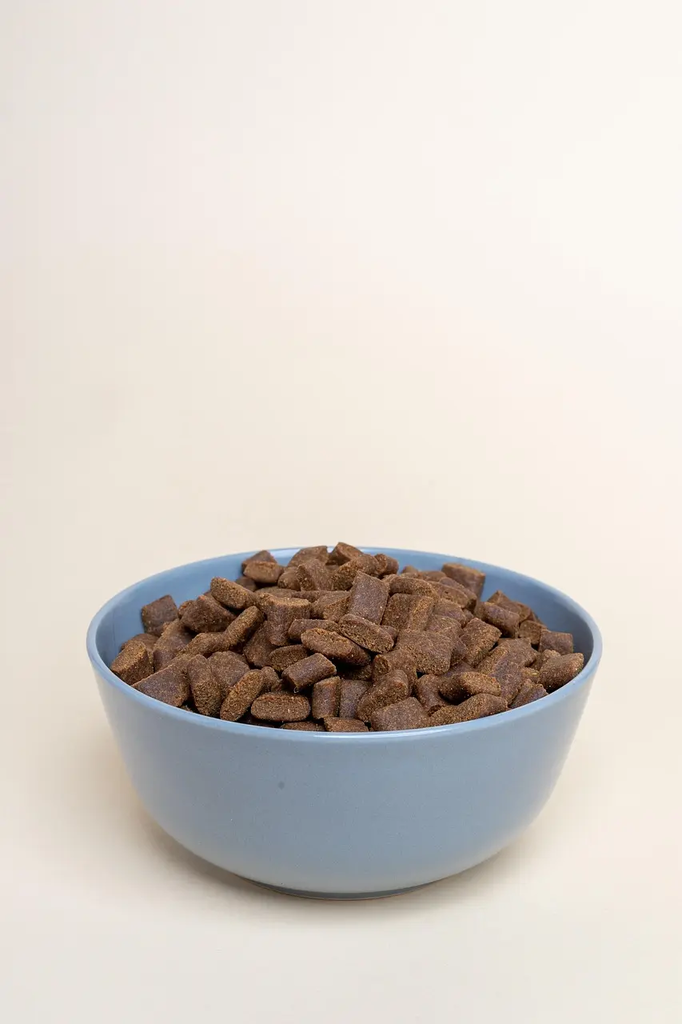
Store in a cool, dry place, sealed in the original bag or an airtight container; avoid heat, humidity, and sunlight; follow the product’s best-by date.
How long is opened wet dog food safe to eat, and should you refrigerate it?
Yes. Refrigerate opened canned or homemade wet dog food and use within about 3–4 days. Do not leave opened food at room temperature for more than 2 hours.
What are red flags that dog food has spoiled?
Off or sour smell, mold, slimy texture, color changes, bulging cans, leaks, or signs of pests. If in doubt, discard.