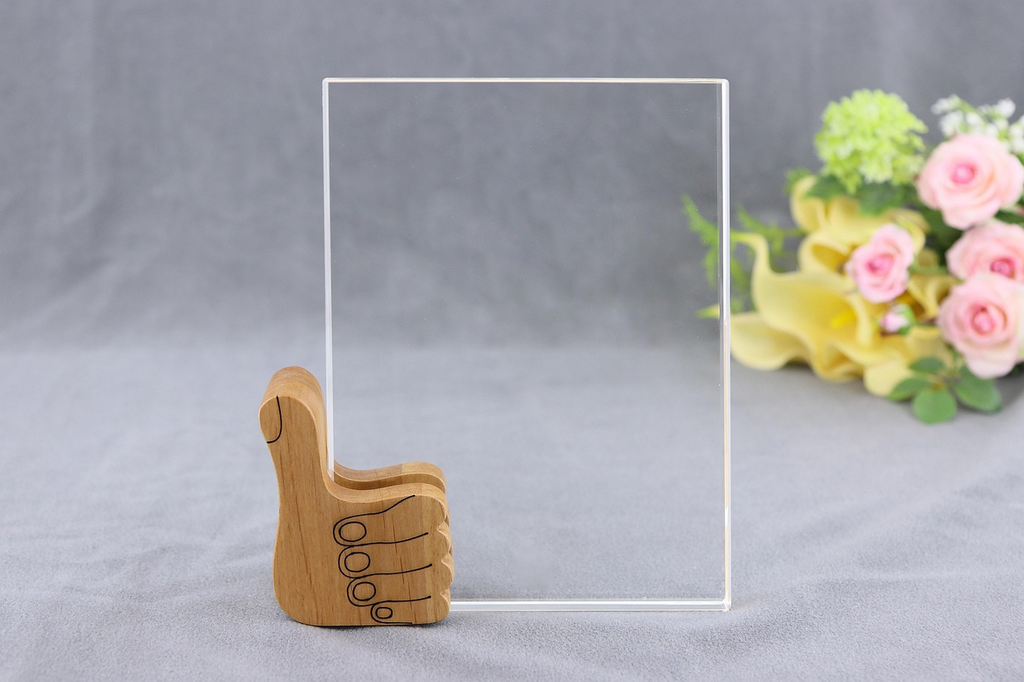
The "thumbs up" gesture is a common hand signal where the thumb is extended upward, typically signifying approval, agreement, or positivity. When combined with other gestures like a wave or the peace sign, it can enhance the message of friendliness, encouragement, or goodwill. These gestures are widely recognized across cultures as nonverbal ways to express support, greet someone, or convey a sense of calm and positive interaction.
Thumbs Up Meaning+50
The "thumbs up" gesture is a common hand signal where the thumb is extended upward, typically signifying approval, agreement, or positivity. When combined with other gestures like a wave or the peace sign, it can enhance the message of friendliness, encouragement, or goodwill. These gestures are widely recognized across cultures as nonverbal ways to express support, greet someone, or convey a sense of calm and positive interaction.
💡 Key Takeaways
- Define the standard meaning of a thumbs up as approval or agreement.
- Explore cultural variations and potential misunderstandings of the gesture across regions.
- Learn when a thumbs up is appropriate or inappropriate in personal, professional, and cross-cultural settings.
- Understand how thumbs up translates in digital communication (emojis, text messages) and its common equivalents.
❓ Frequently Asked Questions
What does the thumbs up gesture generally mean?
It usually signals approval, agreement, or that something is good. In digital form, it's the same as a 'like' or an upvote.
Are there cultural differences in the meaning of a thumbs up?
Yes. While positive in many cultures, the gesture can be seen as rude or offensive in some regions. Meanings can vary by country and context—when in doubt, avoid using it in formal or unfamiliar situations.
How is 'thumbs up' used in online communication?
As a quick way to show approval, acknowledgment, or that you understood a message—similar to clicking a 'like' or giving a green light.
When should I avoid giving a thumbs up?
In formal or sensitive contexts, or when you want to express nuance or gratitude with words; in such cases, use clear wording to prevent misinterpretation.