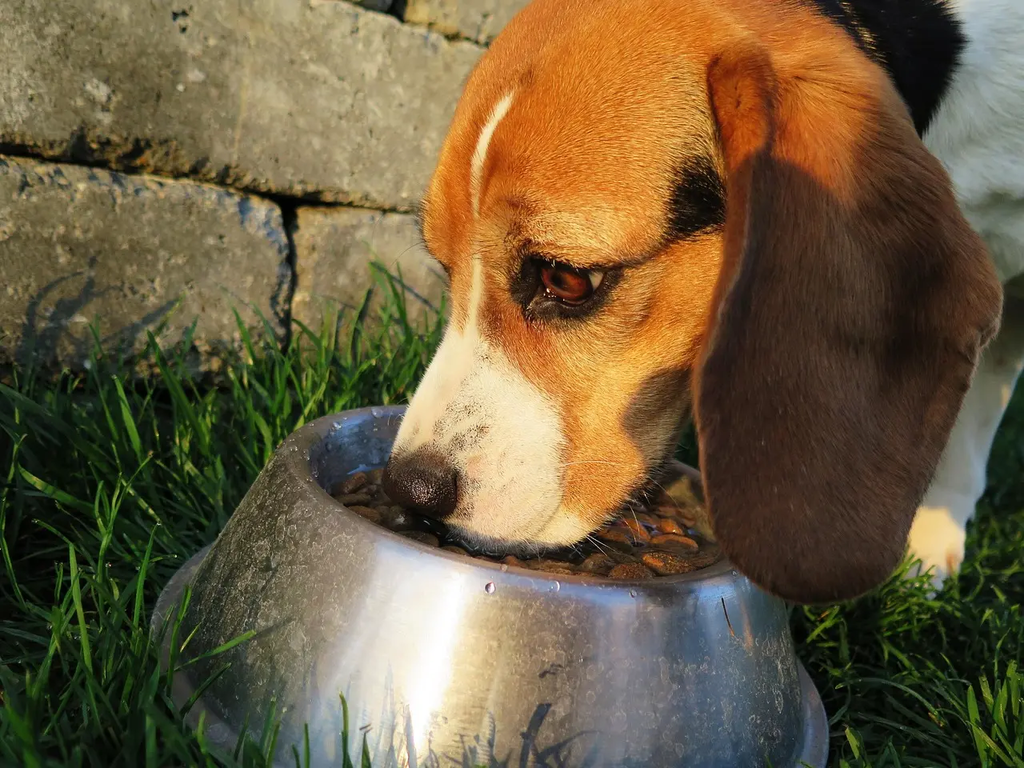
Understanding probiotics for dogs involves recognizing the beneficial bacteria that support digestive health and boost immunity in canines. Including probiotics in a dog's diet can help balance gut flora, improve nutrient absorption, and reduce gastrointestinal issues like diarrhea or constipation. These supplements or probiotic-rich foods contribute to overall well-being, especially during stress, illness, or after antibiotics. Consulting a veterinarian ensures proper selection and dosage tailored to your dog’s specific dietary needs.
Understanding Probiotics for Dogs
Understanding probiotics for dogs involves recognizing the beneficial bacteria that support digestive health and boost immunity in canines. Including probiotics in a dog's diet can help balance gut flora, improve nutrient absorption, and reduce gastrointestinal issues like diarrhea or constipation. These supplements or probiotic-rich foods contribute to overall well-being, especially during stress, illness, or after antibiotics. Consulting a veterinarian ensures proper selection and dosage tailored to your dog’s specific dietary needs.

💡 Key Takeaways
- Understand what probiotics are and how they support a dog's gut health.
- Learn common probiotic strains used in dogs and what benefits they offer.
- Know when probiotics may be helpful (e.g., digestive upset, antibiotic use) and when to avoid them.
- Discover how to properly choose, dose, and administer probiotics for dogs, and possible side effects.
❓ Frequently Asked Questions
What are probiotics for dogs?
Probiotics are live beneficial microbes that support a dog’s gut health by helping balance intestinal bacteria when given in the right amounts.
How can probiotics help dogs?
They may improve stool quality, aid digestion, and support the immune system; effects vary by dog and condition.
When should I consider giving probiotics to my dog?
Consider them during digestive upsets, after antibiotics, or when changing diets—always check with your veterinarian first.
How do I choose and give a probiotic for my dog?
Choose a product formulated for dogs with clearly labeled strains and CFU count, follow the recommended dosage, and store as directed; consult a vet if unsure.
Are there risks or side effects?
Most dogs tolerate probiotics well, but some may have gas or loose stools; seek veterinary advice if your dog has a health condition or shows adverse reactions.