Upcycling and sustainable crafts involve creatively reusing discarded materials or items to make new, functional, or decorative products. This approach reduces waste, conserves resources, and minimizes environmental impact by giving old objects a new purpose. By transforming everyday items into art, home décor, or useful tools, upcycling promotes environmental awareness and supports a culture of sustainability, encouraging people to value resourcefulness and eco-friendly practices in their creative pursuits.
Upcycling and Sustainable Crafts
Upcycling and sustainable crafts involve creatively reusing discarded materials or items to make new, functional, or decorative products. This approach reduces waste, conserves resources, and minimizes environmental impact by giving old objects a new purpose. By transforming everyday items into art, home décor, or useful tools, upcycling promotes environmental awareness and supports a culture of sustainability, encouraging people to value resourcefulness and eco-friendly practices in their creative pursuits.
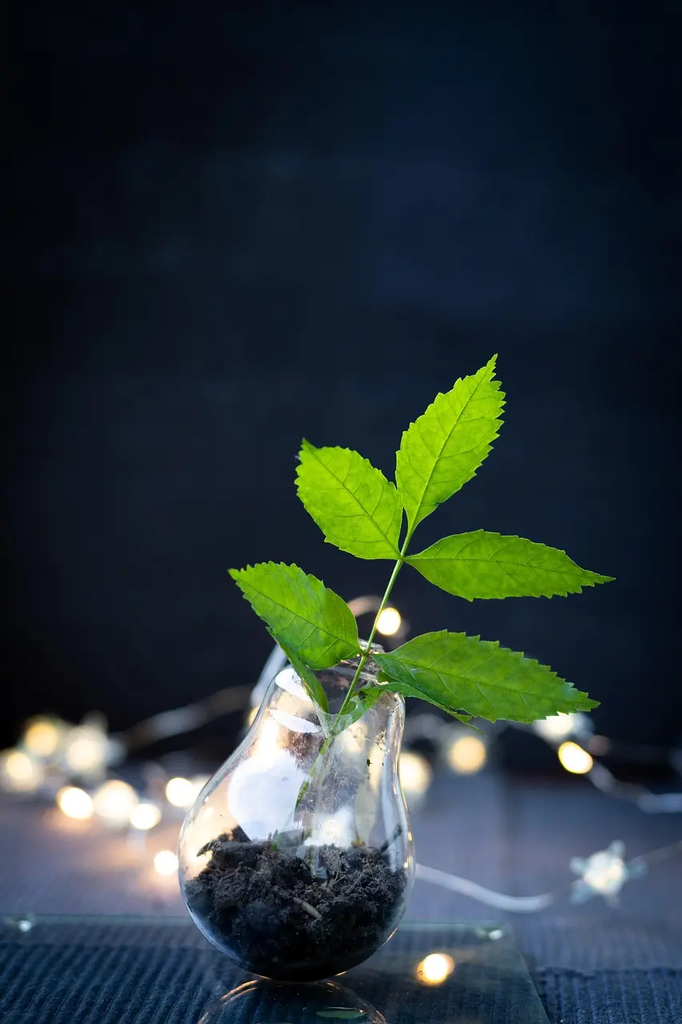
💡 Key Takeaways
- Define upcycling and how it differs from recycling
- Recognize common discarded materials that can be upcycled into crafts
- Apply simple upcycling techniques to create functional or decorative items
- Understand the environmental benefits of upcycling, such as waste reduction and resource conservation
❓ Frequently Asked Questions
What is upcycling?
Upcycling is reusing discarded items to create new products with added value or function, instead of throwing them away.
How does upcycling differ from recycling?
Recycling breaks materials down into raw components for new products, while upcycling repurposes items as-is (or with minimal processing) to make higher-value or decorative items.
What are beginner-friendly upcycling ideas?
Turn glass jars into storage containers, reuse old T‑shirts as tote bags, transform wooden pallets into furniture, or repurpose tin cans as planters.
Why is sustainable crafting important?
It reduces waste, conserves resources, lowers environmental impact, and promotes creativity by giving objects a longer life.