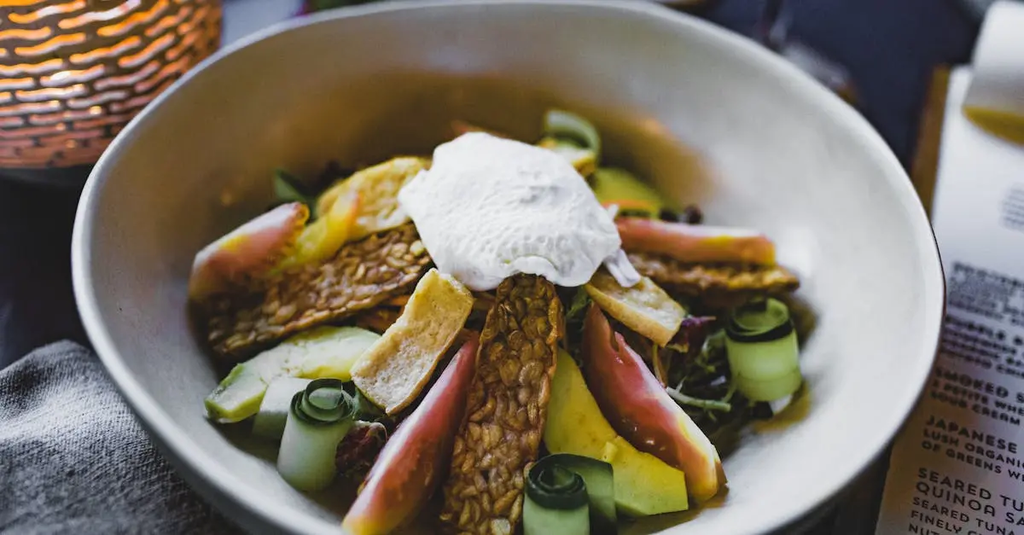
Vegetarian and vegan grain bowls are nutritious meals featuring a base of whole grains like quinoa, brown rice, or farro, topped with an assortment of plant-based ingredients. These can include roasted or fresh vegetables, legumes, leafy greens, seeds, and flavorful dressings. Designed for balanced nutrition, grain bowls offer a variety of textures and flavors, making them a popular choice for those seeking satisfying, meat-free, and dairy-free meals packed with vitamins, minerals, and protein.
Vegetarian & Vegan: Grain Bowls
Vegetarian and vegan grain bowls are nutritious meals featuring a base of whole grains like quinoa, brown rice, or farro, topped with an assortment of plant-based ingredients. These can include roasted or fresh vegetables, legumes, leafy greens, seeds, and flavorful dressings. Designed for balanced nutrition, grain bowls offer a variety of textures and flavors, making them a popular choice for those seeking satisfying, meat-free, and dairy-free meals packed with vitamins, minerals, and protein.
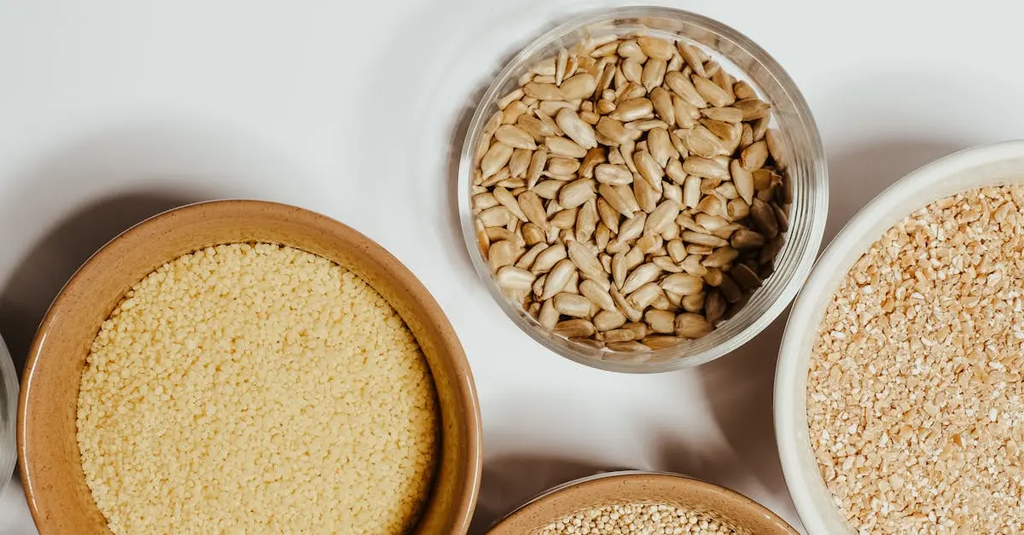
💡 Key Takeaways
- Choose a base grain (quinoa, brown rice, or farro) and cook it for a fluffy, flavorful foundation.
- Balance the bowl with plant-based protein (beans, lentils, tofu/tempeh) and fiber-rich vegetables.
- Incorporate a variety of toppings (leafy greens, roasted or fresh vegetables, seeds) and a tasty vegan dressing for flavor and texture.
- Plan batch prep and storage to assemble quick, healthy bowls for multiple meals.
❓ Frequently Asked Questions
What is a vegetarian/vegan grain bowl?
A plant-based meal built on a base of whole grains (like quinoa, brown rice, or farro) topped with vegetables, legumes or other protein, leafy greens, seeds, and a flavorful dressing.
What grains are commonly used as bases for grain bowls?
Common bases include quinoa, brown rice, and farro; other options are bulgur, barley, millet, or gluten-free choices like quinoa or buckwheat.
How can you ensure adequate protein in a vegan grain bowl?
Include protein-rich plant foods such as beans, lentils, chickpeas, tofu/tempeh, edamame, or seeds; pairing grains with legumes helps meet protein goals.
How can you make grain bowls flavorful without animal products?
Use vibrant dressings (olive oil with lemon or tahini), fresh herbs, garlic or chili, and spices; roast vegetables and add greens and seeds for texture and flavor.