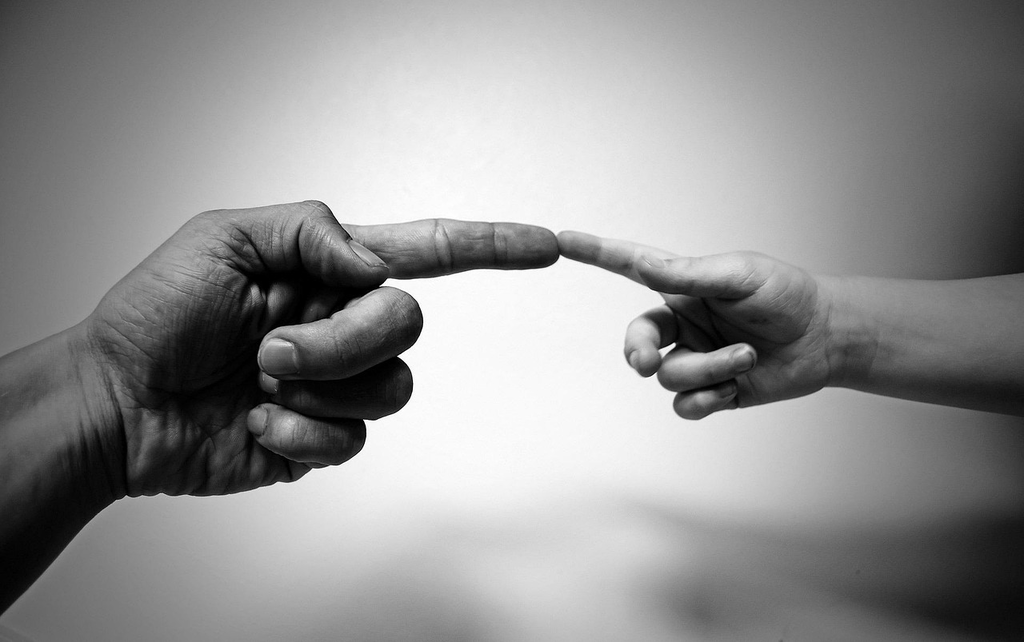
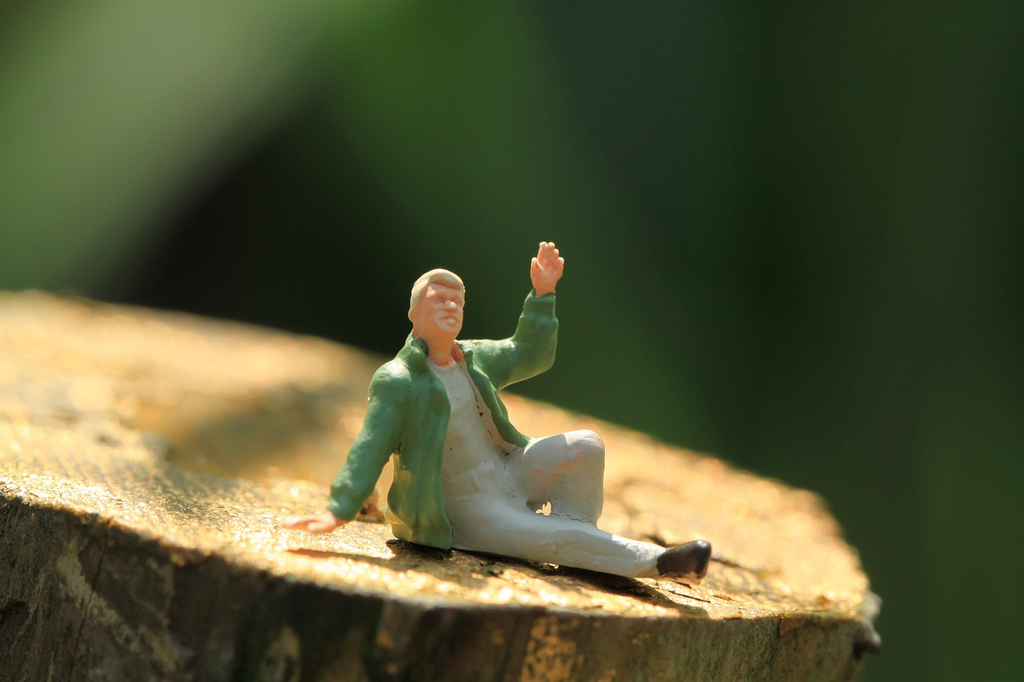
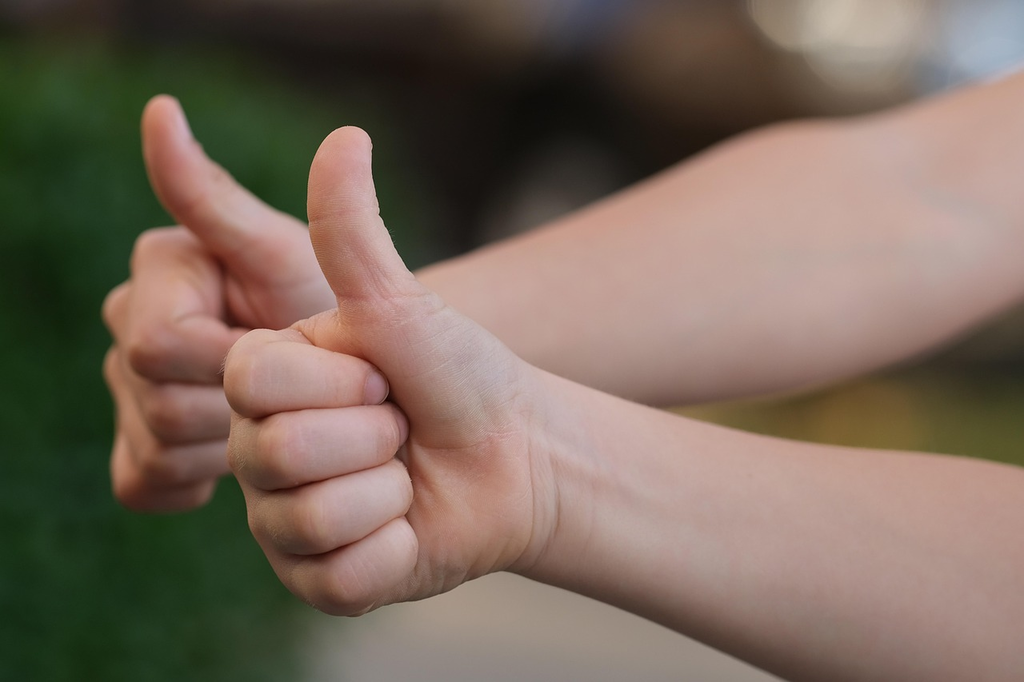
Common greeting gestures such as gesture waves, thumbs up, and the peace sign are widely recognized forms of nonverbal communication. A wave typically signals hello or goodbye, while a thumbs up expresses approval or agreement. The peace sign, made by raising the index and middle fingers, conveys goodwill or a friendly greeting. These gestures transcend language barriers, making interactions more approachable and universally understood.
Common Greeting Gestures+50
Common greeting gestures such as gesture waves, thumbs up, and the peace sign are widely recognized forms of nonverbal communication. A wave typically signals hello or goodbye, while a thumbs up expresses approval or agreement. The peace sign, made by raising the index and middle fingers, conveys goodwill or a friendly greeting. These gestures transcend language barriers, making interactions more approachable and universally understood.
💡 Key Takeaways
- Identify common greeting gestures (handshake, wave, bow, nod) and when they are appropriate.
- Understand cultural variations in greeting etiquette to avoid misunderstandings.
- Distinguish between formal and casual contexts to choose the right gesture and tone.
- Learn concise, polite ways to initiate and respond to greetings in everyday interactions.
❓ Frequently Asked Questions
What is a handshake and when is it commonly used?
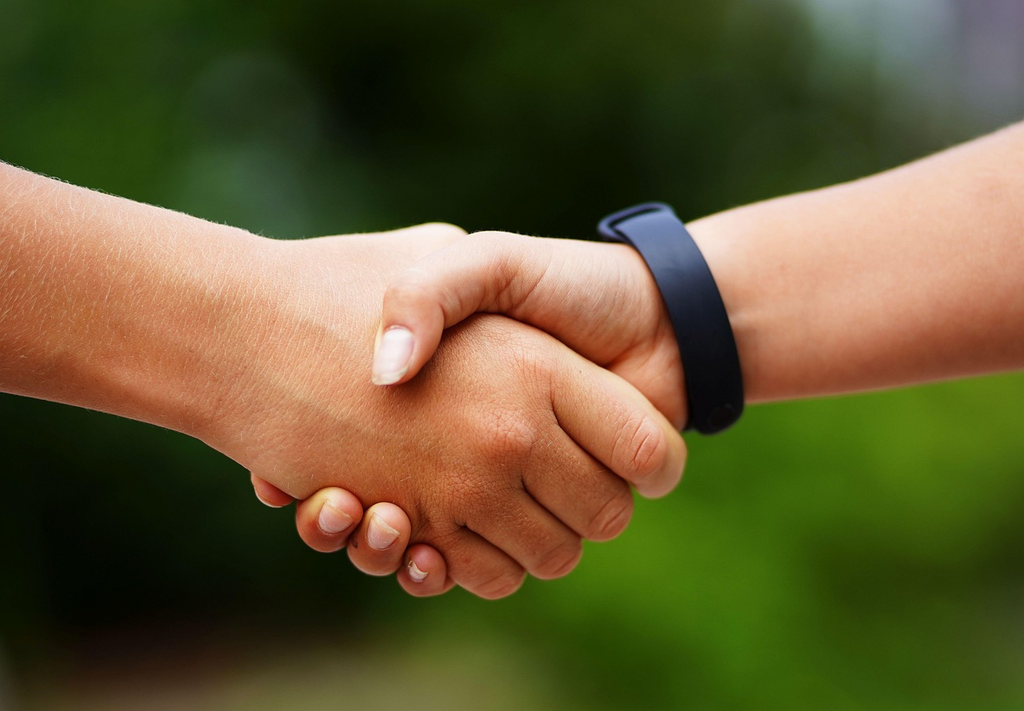
A handshake is a palm-to-palm grip used as a formal greeting in many cultures, typically at introductions or business meetings; offer a brief, firm grip and release.
How is a wave used as a greeting and when should you use it?
A wave is a non-contact greeting done by raising an open hand and moving it side to side or up and down; appropriate from a distance in casual settings or when physical contact isn’t suitable.
When is a hug appropriate as a greeting?
A hug is a warm, physical greeting among friends or family; use only with mutual comfort and consent, and avoid in formal contexts or with strangers.
What is a bow or nod, and in which cultures is it common?
A bow or nod is a respectful greeting used in many Asian and some other cultures; the depth or duration signals formality, while a simple nod is common in casual settings.
What are fist bumps or elbow bumps and when are they used?
A fist bump or elbow bump is a casual, contact-minimized greeting often used in informal settings or to reduce close contact, providing a quick, light tap or touch.