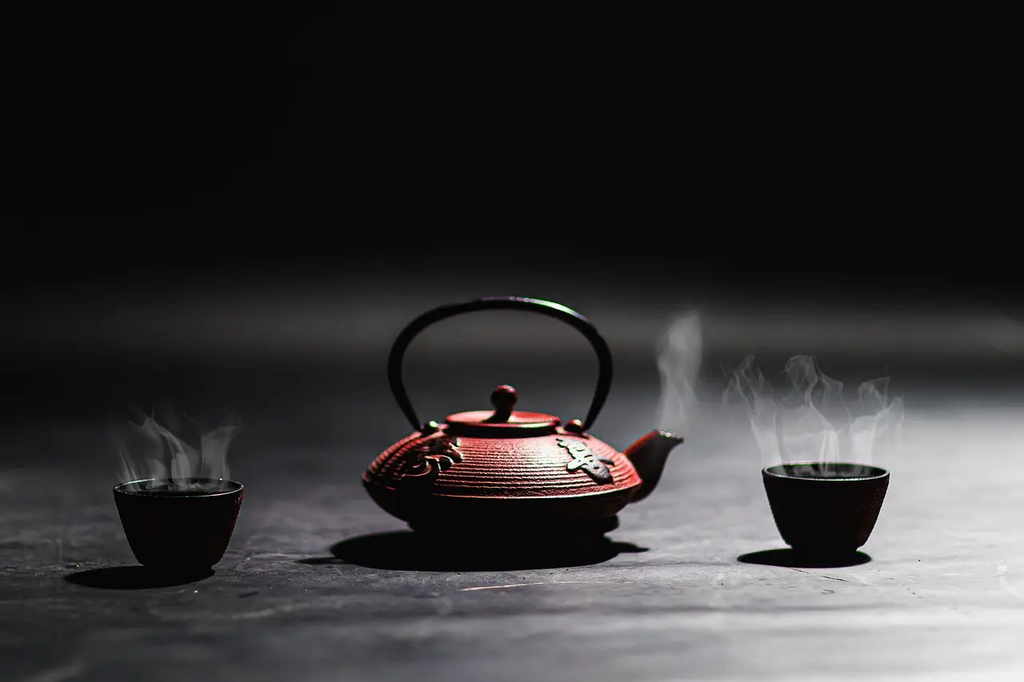
Exploring Global Beverage Traditions involves discovering the unique drinks that define cultures around the world, from Japanese matcha tea and Turkish coffee to Mexican horchata and South African rooibos. These beverages often reflect local ingredients, customs, and history, offering insight into each society’s way of life. By sampling and understanding these drinks, food explorers can deepen their appreciation of global culinary diversity and enhance their overall gastronomic experience.
Exploring Global Beverage Traditions
Exploring Global Beverage Traditions involves discovering the unique drinks that define cultures around the world, from Japanese matcha tea and Turkish coffee to Mexican horchata and South African rooibos. These beverages often reflect local ingredients, customs, and history, offering insight into each society’s way of life. By sampling and understanding these drinks, food explorers can deepen their appreciation of global culinary diversity and enhance their overall gastronomic experience.

💡 Key Takeaways
- Understand how traditional beverages reflect cultural identity across regions.
- Identify common drinks and their typical ingredients and preparation methods around the world.
- Explore social rituals, etiquette, and contexts for beverage consumption in different cultures.
- See how history and globalization—trade routes, colonization, and exchange—shaped today’s global beverage landscape.
❓ Frequently Asked Questions
What are global beverage traditions and why do they matter?
Beverage traditions are culturally rooted practices around how drinks are prepared, served, and shared. They reflect history, climate, ingredients, and social norms, shaping hospitality and celebrations.
Which beverages are commonly linked to rituals in different regions?
Tea ceremonies and daily tea rituals in East Asia and Britain; coffee traditions in the Middle East and Europe; wine and toasts in many cultures; mate in South America; sake in Japan.
How do geography and climate influence beverage choices?
Local crops, water sources, and fermentation techniques determine what is produced and enjoyed (tea, coffee, cacao, barley, fruit wines), as well as flavors and availability.
What role do beverages play in celebrations and hospitality?
Drinks are often central to social bonding—rituals, rites of passage, holidays, toasts, and shared servings reinforce community and tradition.