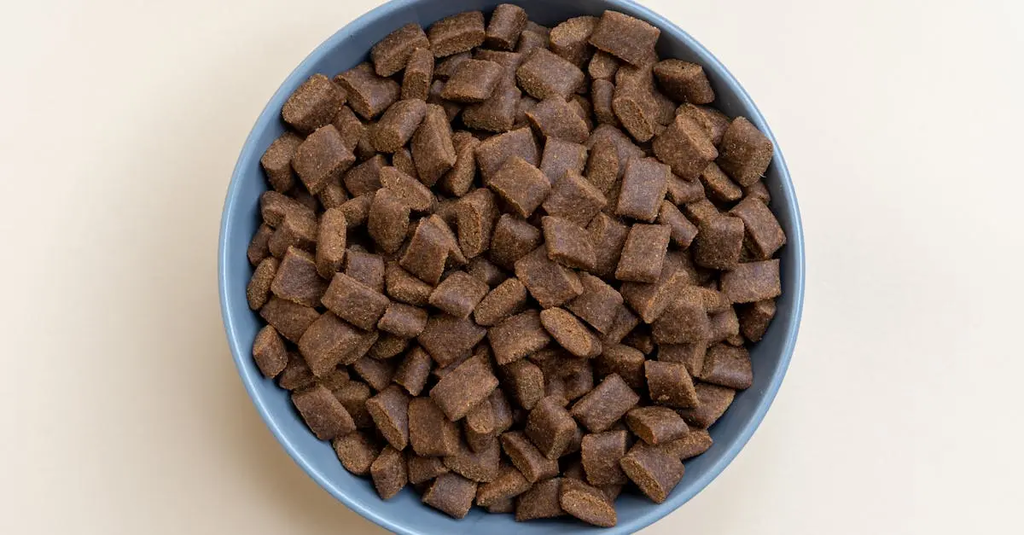
Feeding dogs with rare metabolic disorders requires a carefully tailored diet to manage their unique nutritional needs and prevent complications. These diets often involve specialized, veterinarian-prescribed foods that restrict or supplement certain nutrients, depending on the specific disorder. Close monitoring and regular veterinary check-ups are essential to adjust the diet as needed, ensuring the dog receives balanced nutrition while minimizing symptoms and supporting overall health and well-being.
Feeding Dogs with Rare Metabolic Disorders
Feeding dogs with rare metabolic disorders requires a carefully tailored diet to manage their unique nutritional needs and prevent complications. These diets often involve specialized, veterinarian-prescribed foods that restrict or supplement certain nutrients, depending on the specific disorder. Close monitoring and regular veterinary check-ups are essential to adjust the diet as needed, ensuring the dog receives balanced nutrition while minimizing symptoms and supporting overall health and well-being.

💡 Key Takeaways
- Understand how rare metabolic disorders alter a dog's nutrient needs and energy balance.
- Learn to spot signs that may indicate a metabolic issue and when to consult a veterinarian.
- Explore dietary management principles under veterinary guidance, such as controlled protein intake and calorie management.
- Recognize the importance of working with a veterinary nutritionist for diagnosis, treatment planning, and ongoing monitoring.
❓ Frequently Asked Questions
What are rare metabolic disorders in dogs?
Rare metabolic disorders are inherited or acquired conditions that affect how a dog's body processes nutrients, such as amino acids, sugars, or fats, which can disrupt energy use and toxin removal. They require veterinary diagnosis and often specialized treatment.
How can diet help dogs with metabolic disorders?
Diet can limit problem substances and provide the right balance of nutrients to support metabolic function. This often involves prescription therapeutic diets tailored to the specific disorder, plus consistent feeding and portion control.
What signs might indicate a metabolic disorder in a dog?
Recurrent vomiting or diarrhea, lethargy, weight changes, seizures, poor growth, or unusual odors after meals. If you notice these, consult a veterinarian promptly.
What should I do if I suspect or diagnose a metabolic disorder?
Schedule a veterinary visit and ask about a veterinary nutritionist. Keep a log of foods and symptoms, avoid unprescribed diet changes, and follow a medically guided plan, which may include a prescription diet and regular monitoring.