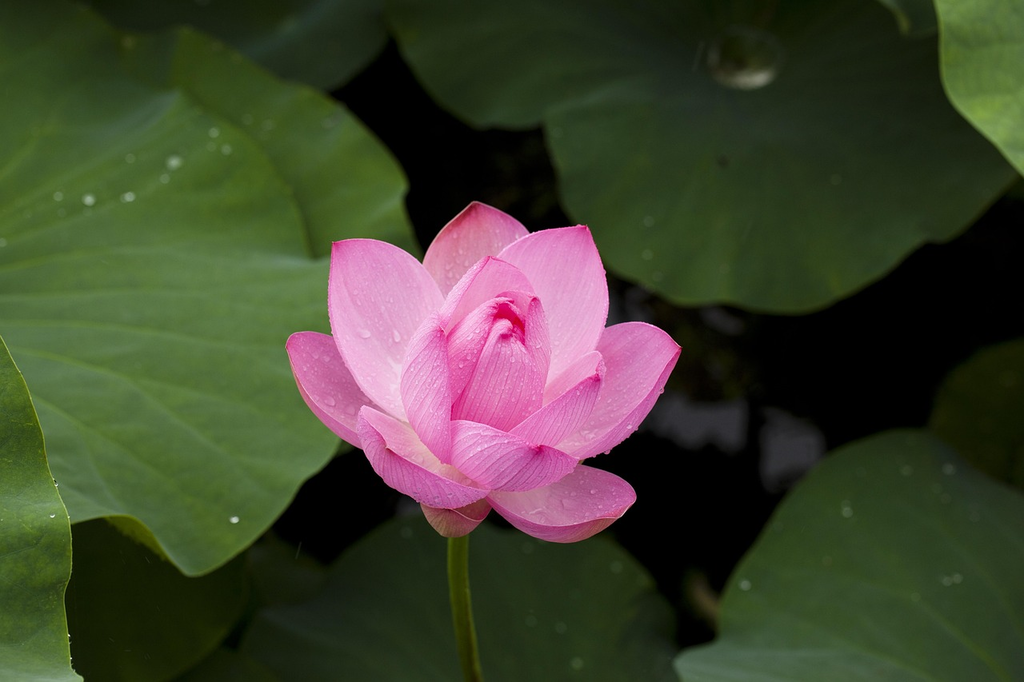
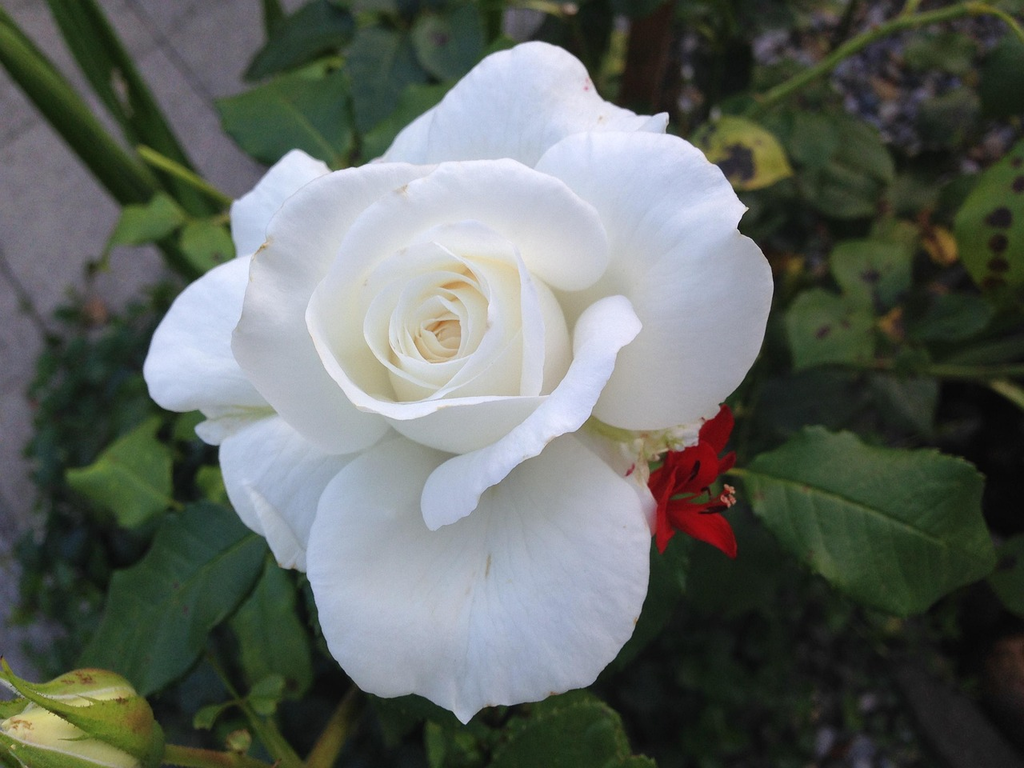
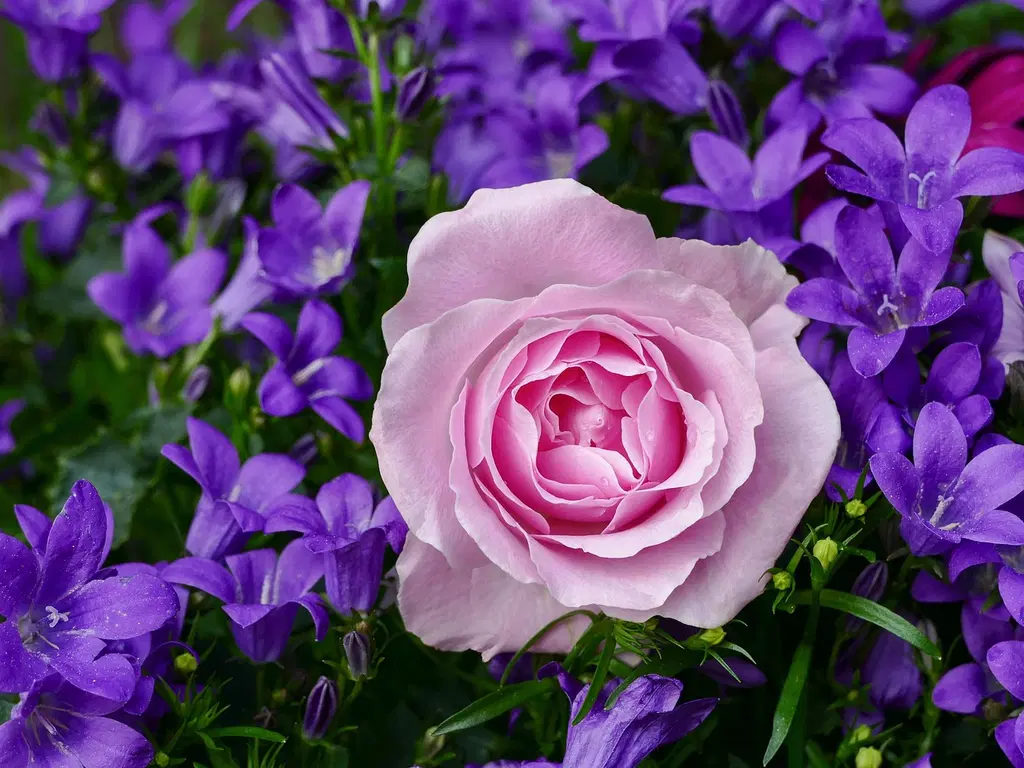
The history of roses dates back over 35 million years, with fossil evidence indicating their ancient origins. Cultivated for thousands of years, roses symbolize love, beauty, and passion across cultures. In ancient civilizations like Rome, Greece, and China, roses were revered in art, literature, and rituals. Similarly, lotuses hold sacred significance in Eastern traditions, representing purity and spiritual enlightenment. Both flowers have influenced cultural traditions, religious symbolism, and horticultural practices worldwide.
History of Roses
The history of roses dates back over 35 million years, with fossil evidence indicating their ancient origins. Cultivated for thousands of years, roses symbolize love, beauty, and passion across cultures. In ancient civilizations like Rome, Greece, and China, roses were revered in art, literature, and rituals. Similarly, lotuses hold sacred significance in Eastern traditions, representing purity and spiritual enlightenment. Both flowers have influenced cultural traditions, religious symbolism, and horticultural practices worldwide.

💡 Key Takeaways
- Trace the origins of roses and the earliest cultivars in ancient civilizations.
- Learn how roses became symbols of love, beauty, and power across cultures.
- Understand the global spread of roses and the rise of modern breeding and hybridization.
- Identify landmark milestones in rose history, from famous gardens to notable varieties.
❓ Frequently Asked Questions
What is the origin of cultivated roses?
Roses have been cultivated for thousands of years, with early evidence in ancient China and the Near East; wild roses exist across Europe, Asia, and Africa.
Which regions were early centers of rose cultivation?
China and the Persian/Levant regions (modern Iran and surroundings) were early centers, later joined by Europe through trade and exploration.
How did modern garden roses develop?
Asian species such as Rosa chinensis were introduced to Europe in the 18th century and bred with European roses to create stable, repeat-blooming modern varieties.
Which rose species are historically important?
Rosa chinensis influenced modern garden roses; Rosa damascena (Damask rose) was prized for fragrance; Rosa gallica was an early European garden rose.
Why are roses significant in history?
Roses symbolize beauty and love and have played key roles in art, culture, perfumery, and trade across civilizations for millennia.