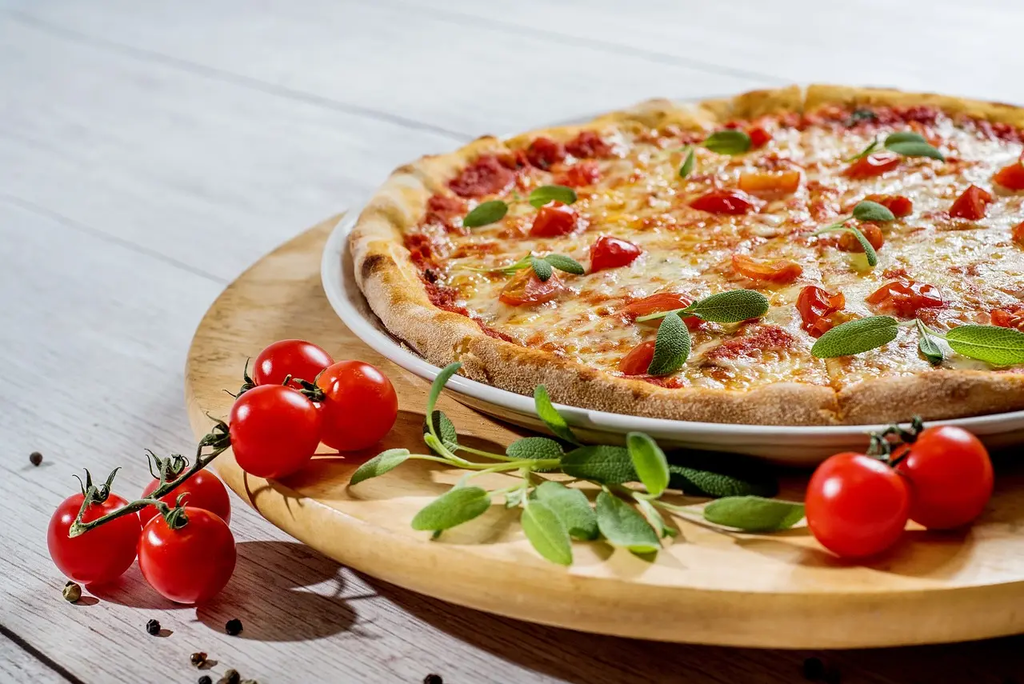
"Introduction to Food Presentation" explores the art of arranging and displaying food to enhance its visual appeal and appetite appeal. In the context of "Food Explorer: Identify the World’s Tastiest Dishes!", it emphasizes how attractive presentation can elevate even the simplest dishes, making them more enticing and memorable. This approach not only celebrates global flavors but also showcases the creativity and cultural significance behind each dish’s appearance.
Introduction to Food Presentation
"Introduction to Food Presentation" explores the art of arranging and displaying food to enhance its visual appeal and appetite appeal. In the context of "Food Explorer: Identify the World’s Tastiest Dishes!", it emphasizes how attractive presentation can elevate even the simplest dishes, making them more enticing and memorable. This approach not only celebrates global flavors but also showcases the creativity and cultural significance behind each dish’s appearance.
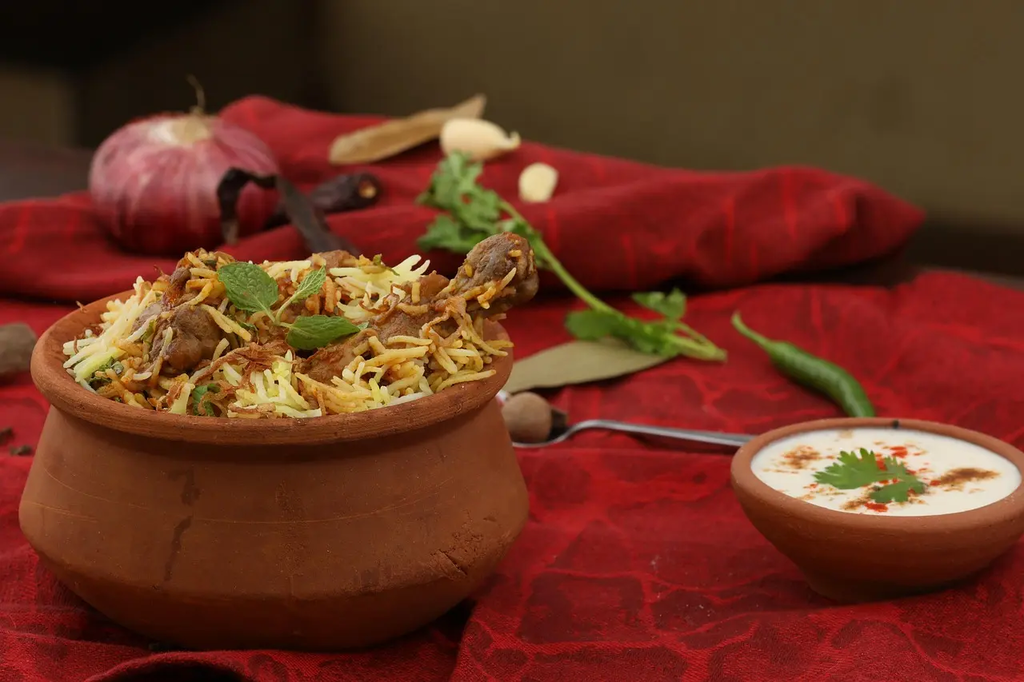
💡 Key Takeaways
- Grasp the core principles of food presentation to boost appeal.
- Learn basic plating rules: balance, color, texture, and negative space.
- Explore plateware, portioning, and height to create visual interest.
- Practice simple garnishing and finishing touches that enhance, not overpower, the dish.
❓ Frequently Asked Questions
What is food presentation and why is it important?
Food presentation is how a dish is arranged on the plate, including color, shape, height, and garnishes. It enhances appeal, influences perceived flavor, and complements the dining experience while remaining practical to eat.
What are the core plating principles to apply on most dishes?
Aim for balance, contrast, proper portioning, height and a focal point, plus clean edges. Use negative space to avoid crowding and keep sauces neat and intentional.
How can color theory help improve food presentation?
Use colors to create contrast and harmony: pair warm and cool tones, choose complementary or analogous colors, and showcase natural ingredient colors to make the dish pop.
What are common garnishes, and when should they be used?
Garnishes should be edible and complementary, adding aroma, texture, and color. Examples include herbs, citrus zest, microgreens, or a light sauce drizzle; place them to support the main component without overpowering it.