Traditional tea cultures encompass the unique customs, rituals, and social practices surrounding tea preparation and consumption in various countries. From Japan’s serene tea ceremonies to Britain’s elegant afternoon tea, each culture highlights local flavors, etiquette, and history. These traditions often reflect regional identities, hospitality, and artistry, making tea not just a beverage but a vital part of social life and culinary heritage worldwide.
Traditional Tea Cultures
Traditional tea cultures encompass the unique customs, rituals, and social practices surrounding tea preparation and consumption in various countries. From Japan’s serene tea ceremonies to Britain’s elegant afternoon tea, each culture highlights local flavors, etiquette, and history. These traditions often reflect regional identities, hospitality, and artistry, making tea not just a beverage but a vital part of social life and culinary heritage worldwide.
💡 Key Takeaways
- Identify key traditional tea cultures and what makes them unique.
- Describe classic tea preparation and serving etiquette in major rituals.
- Compare common tea types used in ceremonies and their traditional roles.
- Explain how tea rituals reflect hospitality and daily life across regions.
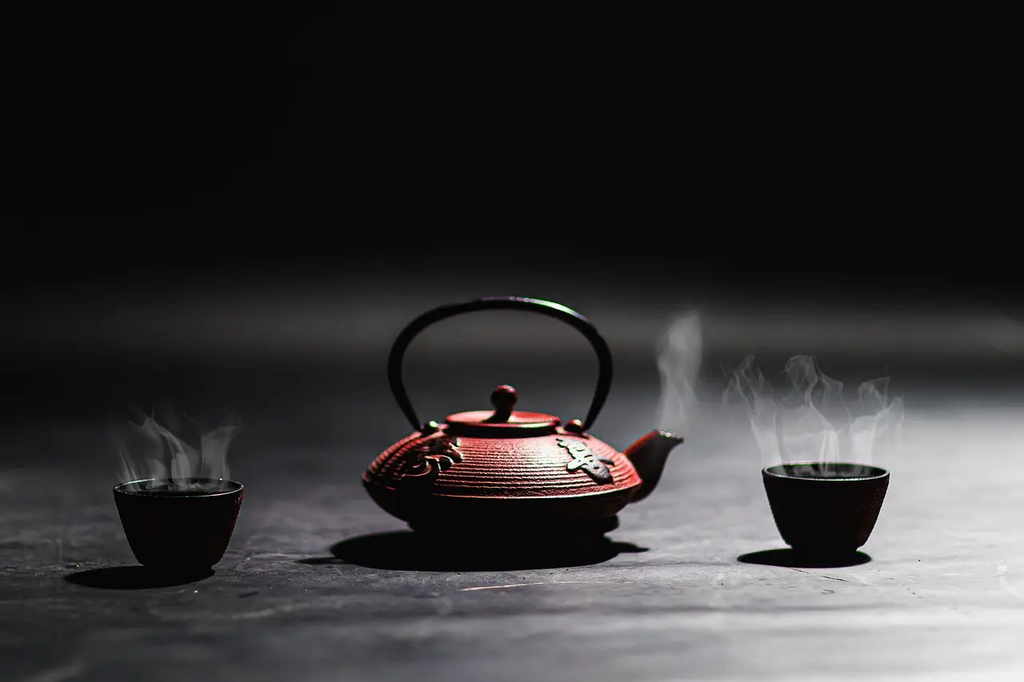
- Name typical utensils and settings used in traditional tea ceremonies.
❓ Frequently Asked Questions
What distinguishes green tea from black tea in traditional processing?
Green tea is minimally oxidized and usually heated quickly to stop oxidation; black tea is fully oxidized, giving darker color and a stronger flavor.
What is the Gongfu tea ceremony and where is it practiced?
A Chinese brewing method using small teaware and multiple short infusions to extract aroma and flavor, emphasizing precision and technique.
How does British afternoon tea differ from other tea traditions?
It's a late afternoon ritual that pairs tea with a selection of finger sandwiches, scones, and pastries, focusing on social etiquette rather than rapid brewing.
What makes Moroccan mint tea distinctive?
Green tea brewed with fresh mint and a generous amount of sugar, often poured from a height to aerate and create foam, served in small glasses.