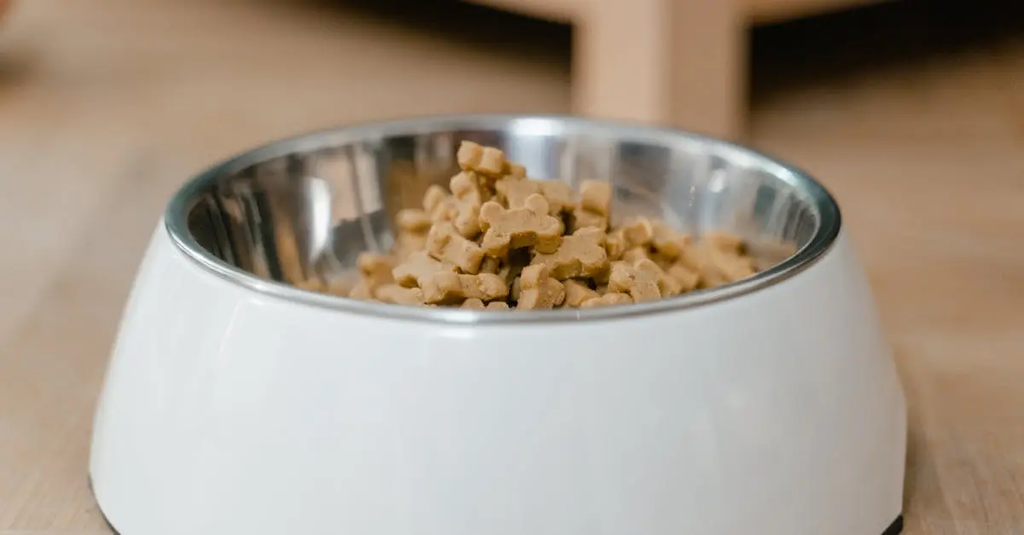
The science of dog food flavor enhancement focuses on making dog food more appealing and palatable by using specific ingredients, aromas, and textures. Experts study canine taste and smell preferences to develop formulas that stimulate appetite and enjoyment. Techniques include adding meat extracts, natural flavors, and umami-rich components. This approach not only encourages dogs to eat but also ensures they receive balanced nutrition while enjoying their meals, promoting overall health and wellbeing.
The Science of Dog Food Flavor Enhancement
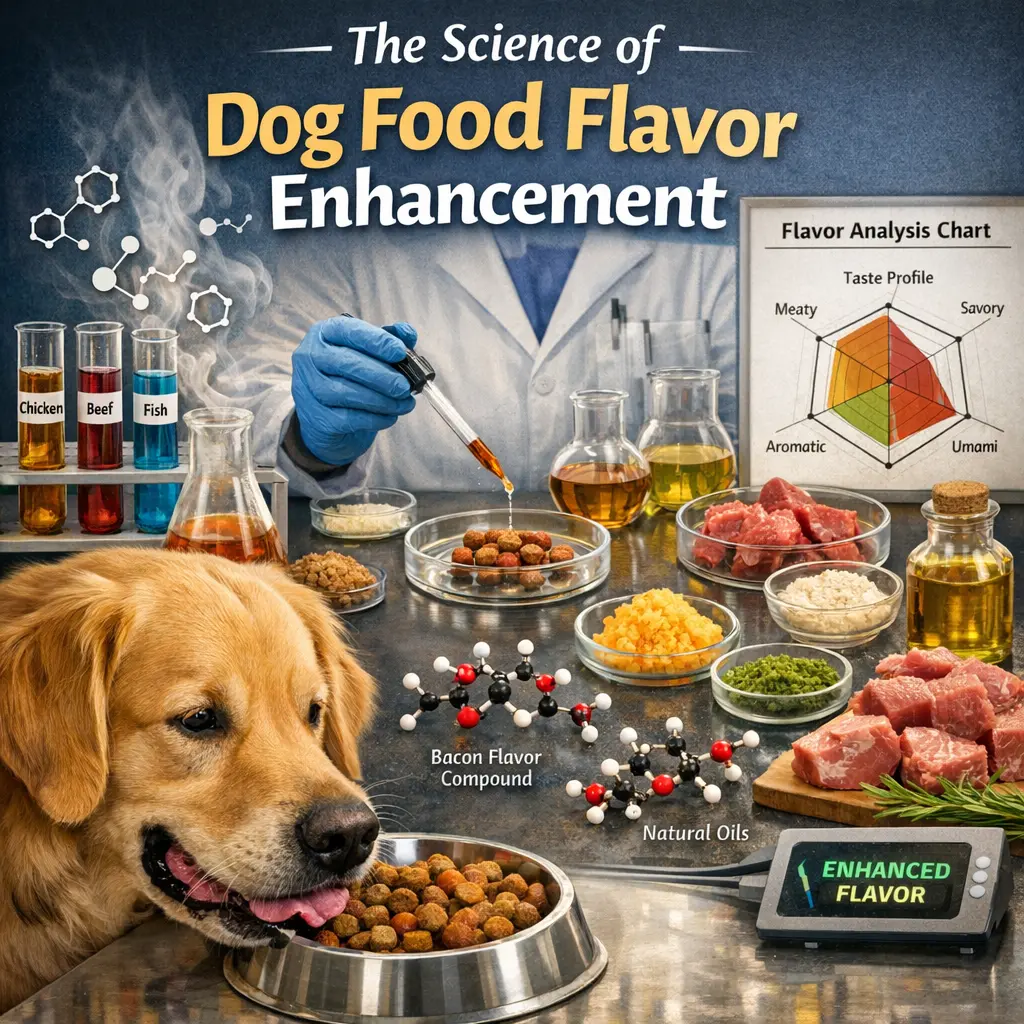
The science of dog food flavor enhancement focuses on making dog food more appealing and palatable by using specific ingredients, aromas, and textures. Experts study canine taste and smell preferences to develop formulas that stimulate appetite and enjoyment. Techniques include adding meat extracts, natural flavors, and umami-rich components. This approach not only encourages dogs to eat but also ensures they receive balanced nutrition while enjoying their meals, promoting overall health and wellbeing.
💡 Key Takeaways
- Understand how dogs perceive flavor and aroma in their food
- Identify ingredients and flavor enhancers that are safe and effective for dogs
- Explain how texture, moisture, and temperature influence a dog's willingness to eat
- Learn how to balance flavor with nutrition and read labels to avoid potentially harmful additives
❓ Frequently Asked Questions
What does palatability mean in dog food?
Palatability is how appealing a food is to dogs, driven by aroma, texture, and flavor cues; higher palatability improves acceptance and consistent eating.
Why is aroma a key factor in flavor enhancement for dogs?
Dogs rely more on smell than humans; strong, appetizing aromas from meat, fat, or broth often persuade dogs to eat, even if they don’t 'taste' it as we do.
How do flavor enhancers work in dog foods?
Flavor enhancers boost savory aroma and mouthfeel using safe ingredients, helping dogs perceive a richer flavor without compromising nutrition.
What safety considerations should I check in flavor-enhanced dog foods?
Look for approved ingredients, avoid excess salt/additives, and confirm the product meets guidelines (e.g., AAFCO); monitor for sensitivities.