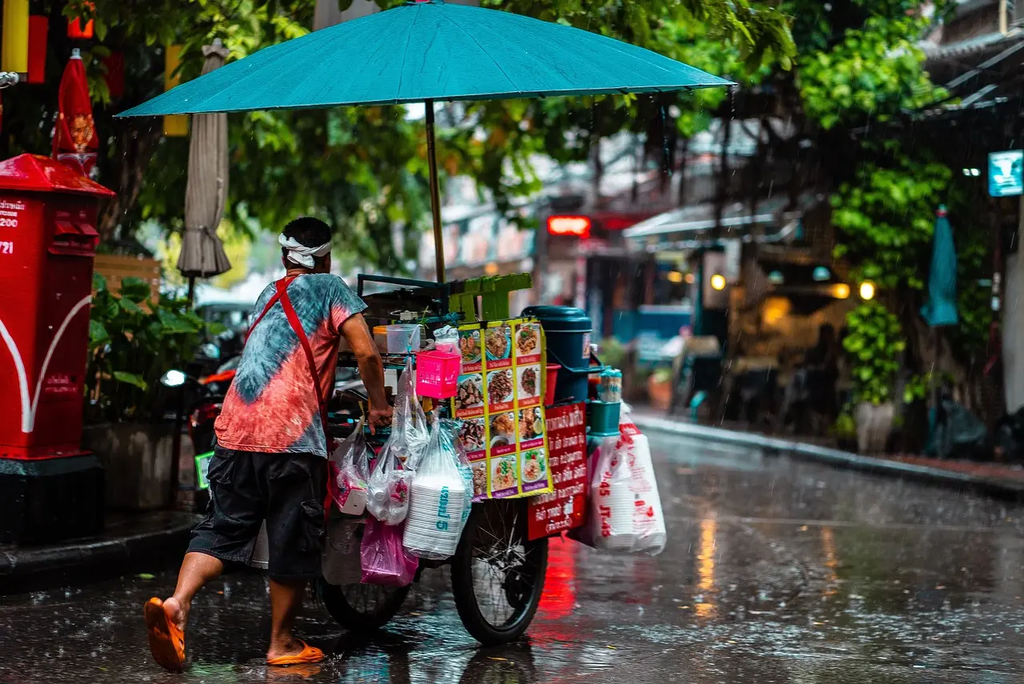
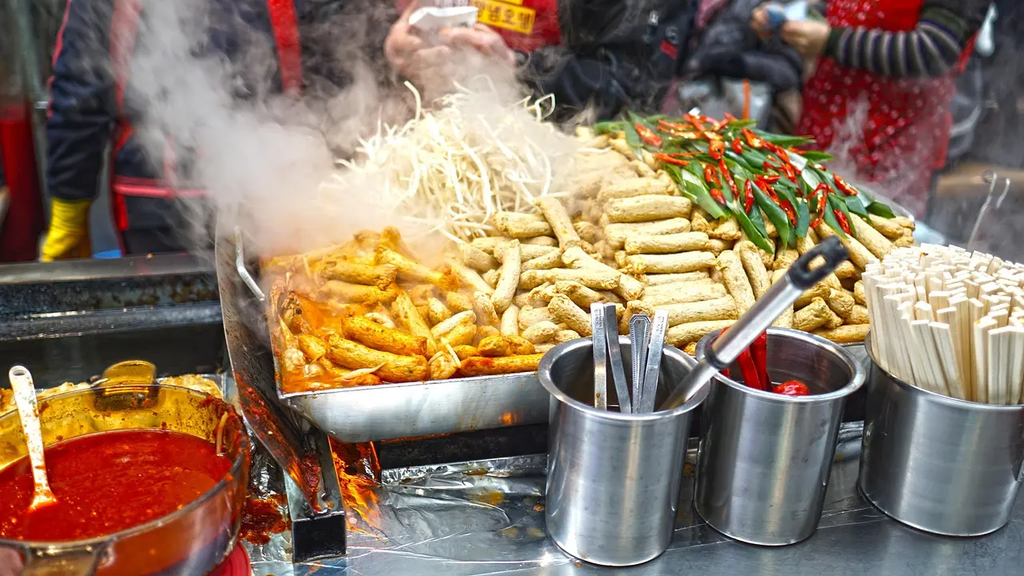
Understanding food security involves ensuring that all people have consistent access to sufficient, safe, and nutritious food to maintain a healthy life. The phrase “Food Explorer: Identify the World’s Tastiest Dishes!” suggests exploring global cuisines to appreciate diverse food cultures. This exploration highlights the importance of food availability, accessibility, and cultural significance, emphasizing how food security is not just about quantity, but also about quality, variety, and respect for culinary traditions worldwide.
Understanding Food Security
Understanding food security involves ensuring that all people have consistent access to sufficient, safe, and nutritious food to maintain a healthy life. The phrase “Food Explorer: Identify the World’s Tastiest Dishes!” suggests exploring global cuisines to appreciate diverse food cultures. This exploration highlights the importance of food availability, accessibility, and cultural significance, emphasizing how food security is not just about quantity, but also about quality, variety, and respect for culinary traditions worldwide.

💡 Key Takeaways
- Define food security and its four dimensions: availability, access, utilization, and stability.
- Identify major drivers of food insecurity such as poverty, conflict, climate variability, and price shocks.
- Explain how nutrition, health, and sanitation affect food utilization and nutritional outcomes.
- Describe practical strategies to improve food security at household and community levels, including income diversification, social protection, and resilient local food systems.
❓ Frequently Asked Questions
What is food security?
Food security means that all people have reliable access to sufficient, safe, and nutritious food for an active, healthy life, at all times.
What are the four pillars of food security?
Availability: enough food is produced or imported. Access: people have the resources to obtain it. Utilization: food supports good health and is prepared safely. Stability: supply and access remain secure over time.
What factors can threaten food security?
Poverty, conflicts, climate-related events, rising food prices, and inadequate infrastructure can disrupt the food supply and people’s ability to access it.
How can individuals or communities improve food security?
Diversify and use nutritious foods, reduce waste, plan meals and budgets, support local markets, and engage in programs that improve access to food when available.